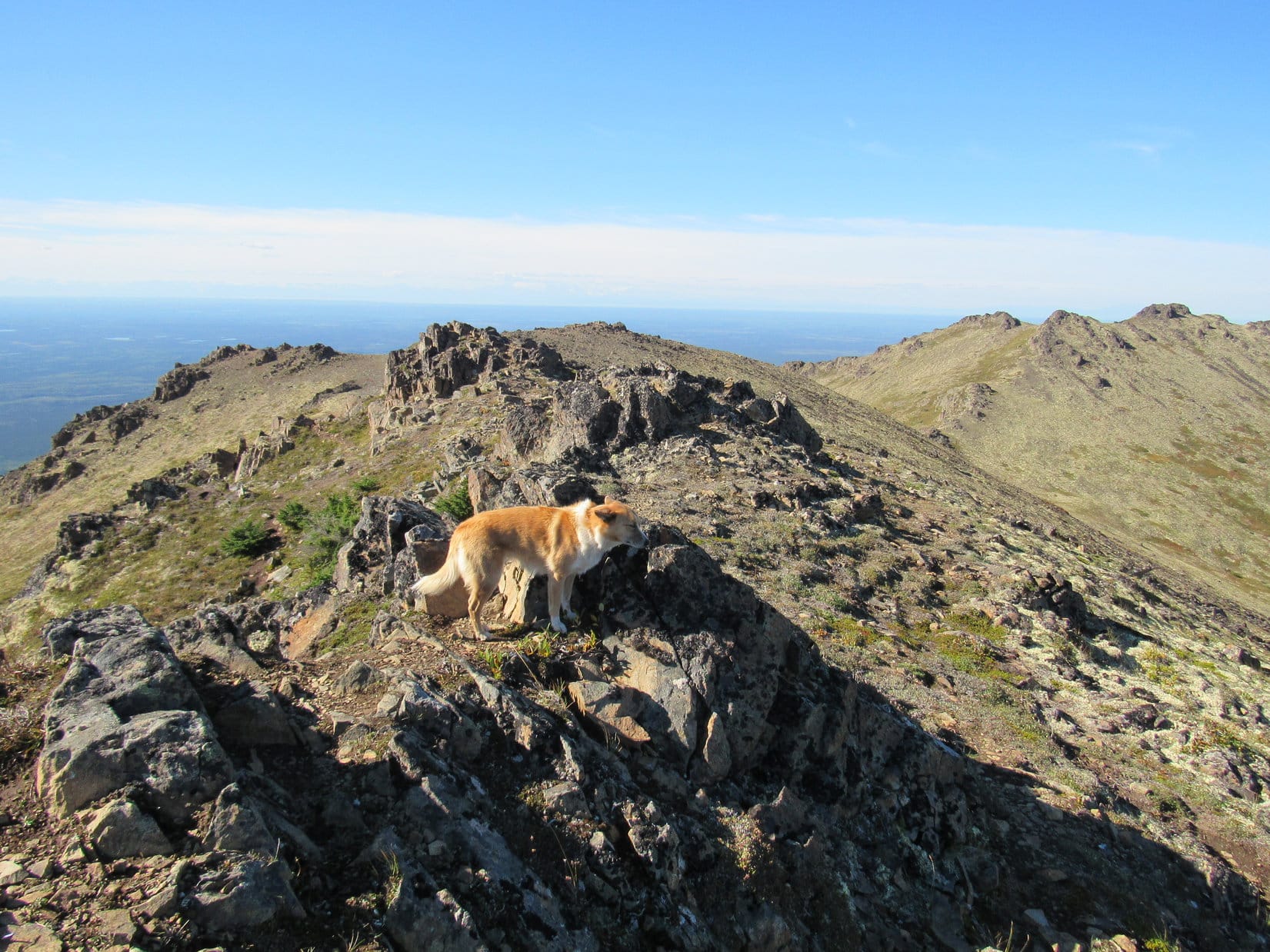
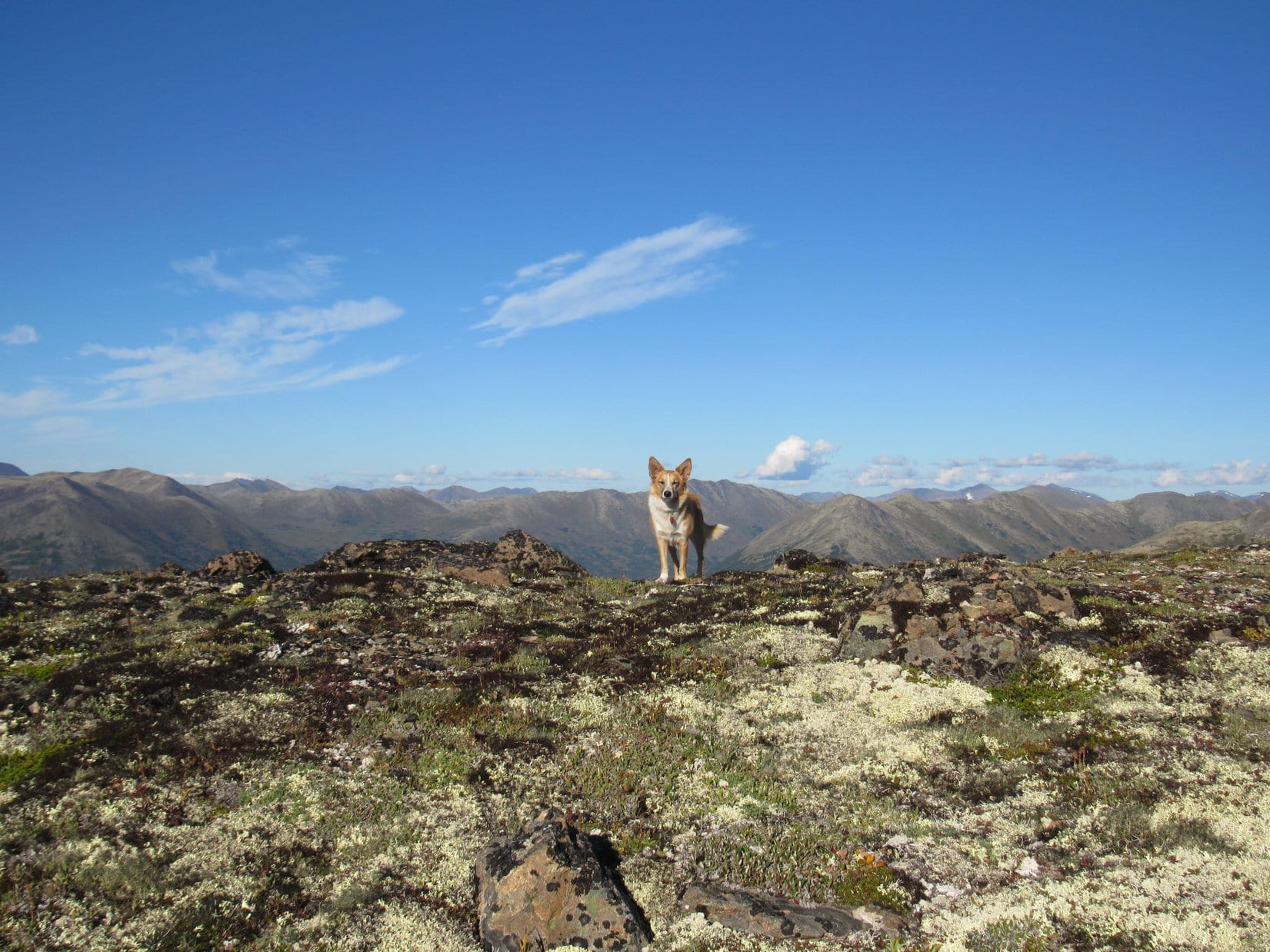
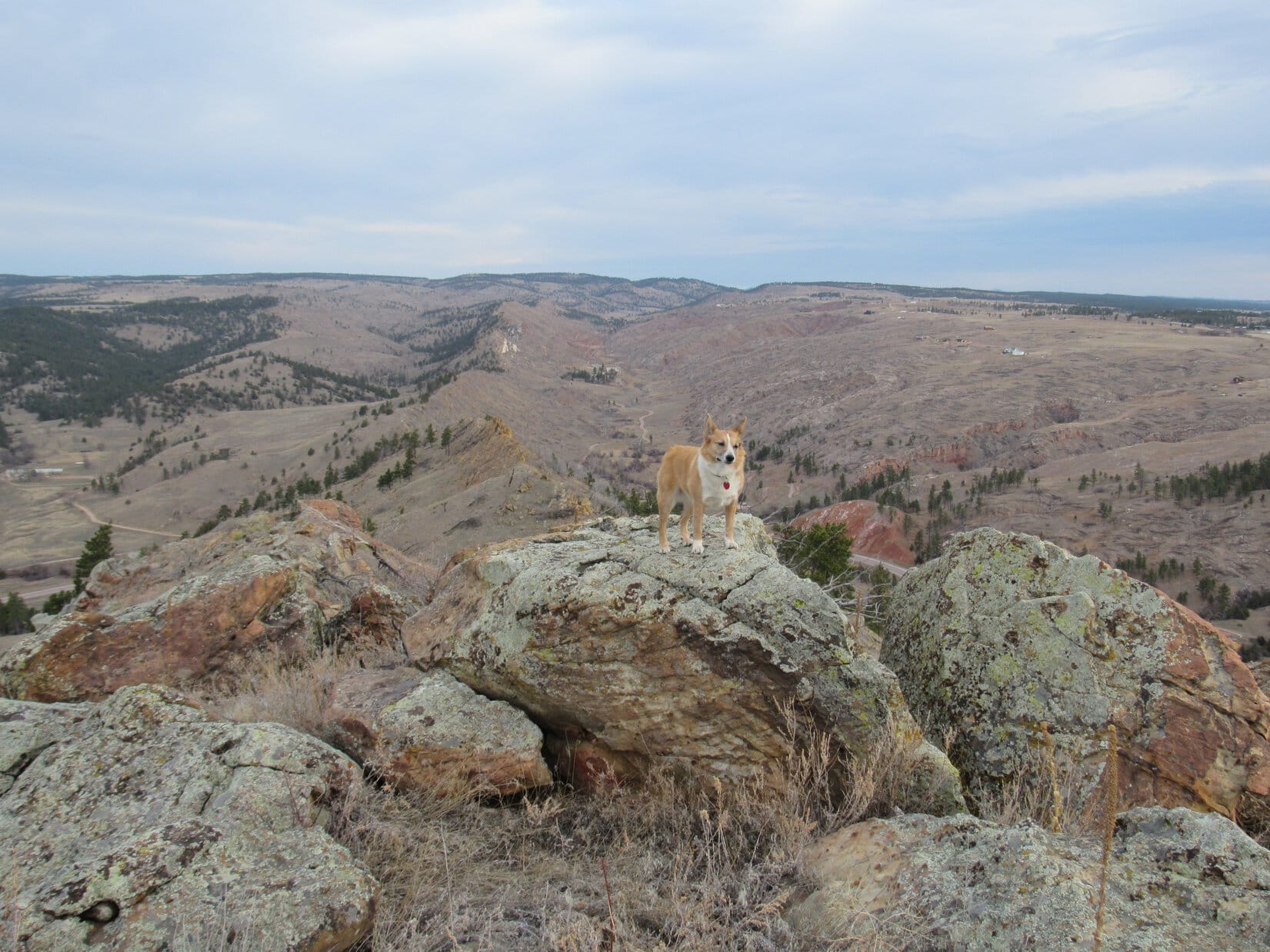
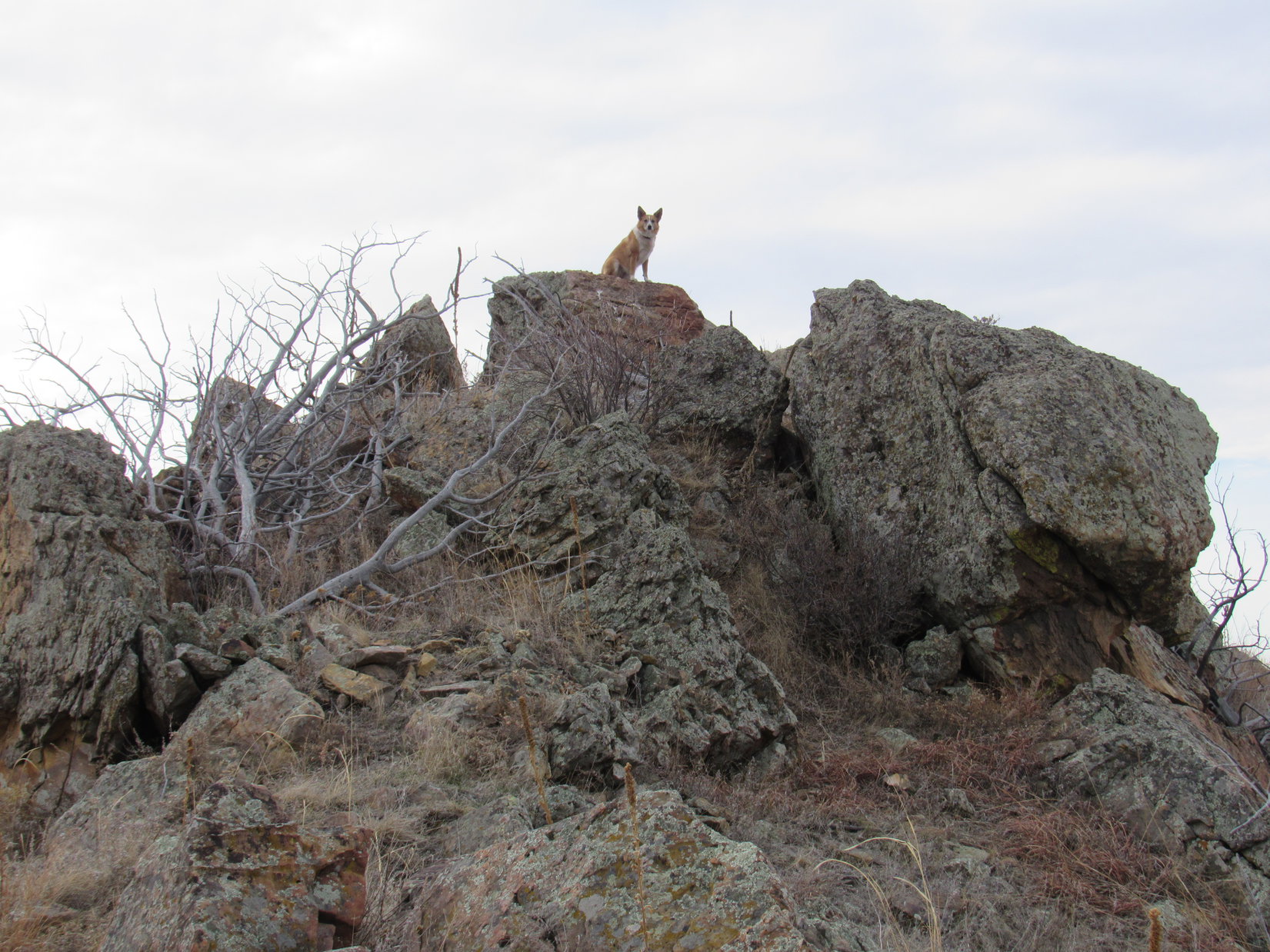
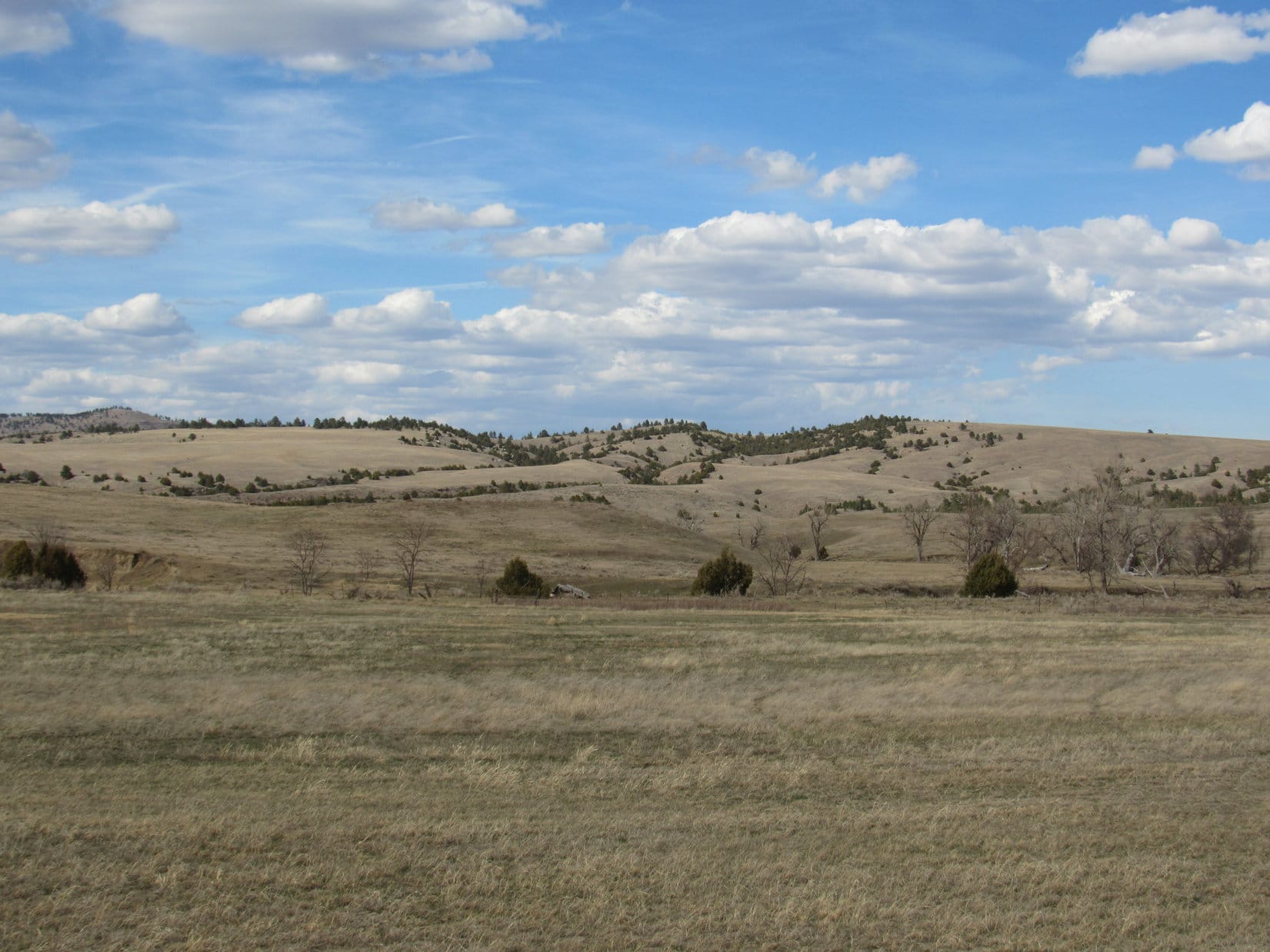
On the Skyline Trail to the Mystery Hills, Kenai Peninsula, Alaska (8-27-16)

Day 29, Part 2, of Lupe’s Summer of 2016 Dingo Vacation to the Canadian Rockies, Yukon & Alaska

Plans for a return visit to the beach at Ninilchik on Cook Inlet were quickly dashed when Lupe and SPHP stopped to help a woman hitchhiker along the Sterling Highway (Alaska Route 1).  Turned out she needed a ride to her landscaping job, well beyond Ninilchik, clear over in Soldotna.  She was already late and needed to get there quickly.  Her car (nowhere in sight) had broken down, and no one else had stopped to give her a lift.

Jane was a friendly, plucky gal.  She introduced herself to Lupe and SPHP, and immediately launched into her life’s story.  Some of it made not a lick of sense, but it was an entertaining tale nevertheless.  Lupe and SPHP listened in silence as the miles flew by, and Jane related her only-in-Alaska monologue.

Jane had moved to Homer, Alaska from California years ago.  Naturally, she loved Alaska.  She had made some money back in California in real estate.  Jane used part of the money she’d saved to make a great purchase of 40 acres near the edge of a development somewhere around here, the particular parcel having been carefully selected by closing her eyes and putting her finger to a map.

The land wasn’t even for sale at the time, but when Jane approached the owners, they thought she was so wonderful, they promptly agreed to sell it to her for a song.  She lives off-grid in a cabin on this beautiful property, where she and her dog manage to avoid being eaten by grizzlies by sticking close to either the cabin, or her ATV, on which they zoom away to safety at a moment’s notice.

When you live off grid, you have to create your own entertainment.  Jane kept chickens to produce eggs.  A pure white rooster served as head of the flock.  For fun, Jane used a water pistol to paint the rooster with bright colors so he was more of a fancy rainbow rooster instead of a boring pure white one.  The rooster didn’t object in the least.  Instead, his reaction was to put on a Mick Jagger style strutting performance to impress his harem, which Jane found endlessly amusing.

Sadly, tragedy struck.  All but two of her chickens and the beloved rainbow rooster passed away very recently when her pet wolf broke its new chain after only 2 days, and did what wolves like to do to chickens.

With the wonderful, balmy climate Alaska now has due to global warming, it’s getting harder and harder to keep the riff raff out.  The Kenai peninsula is filling up with people.  Living off the grid here is no longer the hardy pioneering existence it once was a few years back.  Fortunately, Jane’s 24 year old son took pictures of a mind-bogglingly beautiful little town, with a name that SPHP has since forgotten, but it started with a “U”.

U-ville is located on Spruce Island, near much larger Kodiak Island, and can only be accessed by boat or the air.  The few pictures Jane’s son took were enough to convince Jane that U-ville is the place to be, so she is in the process of getting ready to sell her 40 acres and move.  People in U-ville, who have never met Jane, but have advanced word of her interest in living on Spruce Island, are falling over themselves offering her good jobs, and encouraging her to join their community ASAP.

Jane related all this, and a good deal more which now escapes SPHP, in the time it took to reach Soldotna, where she promptly exited the G6, cheerfully bidding Lupe and SPHP a fond farewell.  Clearly there had been much more to come, time permitting, so it was with a mixed sense of reluctance and relief that Lupe resumed her own adventures, though they may pale in comparison to Jane’s.

Lupe’s next adventure started E of Soldotna near milepost 61 of the Sterling Highway at the trailhead for the Skyline Trail to the Mystery Hills (12:03 PM, 68°F).  The trailhead parking lot was on the SW side of the highway, but the actual trail started over on the NE side, a bit farther to the NW.

Looking up at the Mystery Hills from the Skyline Trail parking lot near milepost 61 of the Sterling Highway. Photo looks NE.

A sign near the start of the Skyline Trail provided general information.  Lupe could expect a steep 1,800 feet of elevation gain over 1.25 miles.

The Skyline Trail is somewhat oddly named, since it officially ends at a saddle between mountains, before ever getting up to any of the peaks of the Mystery Hills, or even following any portion of the ridgeline.  Skyline Access Trail would have been a better name for it.

The sign did show a trail continuing on up from the saddle.  On the topo map SPHP had along, a pack trail goes on for miles all the way from the saddle up to and over a series of peaks in the Mystery Hills.

Sign near the start of the Skyline Trail.

Just as the sign had promised, the Skyline Trail was steep.  There were no significant switchbacks.  Up and up.  SPHP was soon pausing frequently to let heart, lungs and legs catch up with the demands of the trail.  Lupe, of course, wasn’t fazed in the least.

For a long way, the trail was in forest.  Little could be seen.  After quite a climb, the forest finally started gradually giving way to tall bushes.  Lupe started to get glimpses of the progress she was making.

Once the forest thinned out, Lupe could see the progress she was making. Part of her first peakbagging goal, Mystery Hills North is seen on the R. Photo looks E.

The trail’s rate of climb didn’t diminish until Lupe was getting fairly close to the saddle.  Then things started to level out rapidly.  Where Lupe first reached the saddle, she came upon a final big stand of gnarled old pine trees.  The day was warm and bright.  The shade provided by this last clump of odd old pines was welcome.  Lupe and SPHP took a break.

As near as SPHP could tell, Lupe had reached the official end of the Skyline Trail.

Lupe takes a break beneath an isolated stand of gnarled old pines she came upon as she reached the saddle. She was at, or very near, the official end of the Skyline Trail.

The Skyline Trail may have officially ended, but the sign and maps were right.  A good trail continued on across the saddle toward the mountain to the E.  (Note: As far as Lupe was concerned, this continuation of the trail going on up to the Mystery Hills was all part of the same Skyline Trail, and will be referred to as such for the remainder of this post.)  When Lupe’s break under the gnarled pines was over, Lupe and SPHP pressed onward.

Not far from the pines, Lupe passed by another trail branching off to the N on its way through the saddle.  The American Dingo ignored the side trail and started climbing the mountain to the E.

A good trail continued beyond the gnarled pines across the S end of the saddle area. Lupe ignored a side trail that branched off to the N (L), and continued up the hill seen directly ahead. This extension of the Skyline Trail eventually climbed around to the S (R) side of the hill. Photo looks E.

Lupe still had nearly 1,000 feet of elevation gain to go in order to reach her first peakbagging goal, North Mystery Hills (3,284 ft.).  She encountered a short stretch of rock climbing near the base of the mountain, but was soon easily past it.  Lupe came to no further complications along the trail, which now worked around to the S side of the slope, as it continued E.  Another higher saddle could be seen ahead.

Lupe on her way up to a higher saddle(Center). Lupe was heading for North Mystery Hills, seen on the R. Photo looks SE.

On the way to the next saddle, Lupe already had some splendid unobstructed views.

Lupe already had splendid views on her way up the Skyline Trail to the next saddle. Jean Lake is in the foreground. A portion of much larger Skilak Lake is in the distance. Photo looks S.
Far away across Cook Inlet, Lupe could see impressive snow-capped peaks. Photo looks NW using the telephoto lens.

The path up to the higher saddle was a long, steady grind, but the pace of elevation gain wasn’t bad, certainly nothing like Lupe had faced on the way to the first saddle.  Upon reaching the higher saddle, the trail turned S, climbing more aggressively up the mountain.

When the Skyline Trail finally started leveling out, a rock outcropping larger and higher than any other nearby point was a short distance ahead.  Lupe went over to it.  She had reached the N end of the North Mystery Hills summit ridge.  The views were fabulous!

Here, at the end of the climb up from the 2nd saddle, Lupe reached the N end of the North Mystery Hills summit ridge. A metal box containing a register was tucked among the rocks on the E (R) side of this high point. (Close to the backpack.) The unnamed peak in the background is nearly as high as North Mystery Hills and is located on the other (N) side of the 2nd saddle Lupe had just come from. Photo looks N.
Looking down on Peak 2851 (L) from North Mystery Hills. Peak 2851 is on the NW side of the first big saddle Lupe reached where she took a break among the gnarled old pines. Flatlands of northern Kenai Peninsula are seen in the distance. Photo looks NW.
Hideout Hill (2,869 ft.) from North Mystery Hills. Part of Skilak Lake is seen in the distance. Photo looks SW.

Right away, Lupe discovered a metal box tucked among the rocks on the E side of the rock outcropping.  The box contained a register.  SPHP entered Lupe’s name on it to secure the Carolina Dog’s place in North Mystery Hills history.

Although it had been a warm, calm, sunny day lower down, a fairly strong, cool E wind was blowing up here.  While SPHP was entering her name in the register, Lupe found a big rock to hide behind.  She curled up on the W side of it to escape the wind.

While SPHP entered her name in the register, Lupe curled up behind a big rock to escape the E wind. Lupe hadn’t quite reached the true summit of North Mystery Hills yet. The true summit is the high point beyond Lupe on the L. The similarly colored more distant hill is her next peakbagging goal, Mystery Hills Central. Photo looks SE.

Lupe had seen a number of people along the Skyline Trail, but hadn’t come across anyone since leaving the first saddle.  However, while she was still curled up out of the wind, and SPHP was busy gazing off into the distance, a young man showed up.  His name was Patrick Metzger.

Patrick was quite friendly to Lupe and SPHP.  Soon, Patrick and SPHP were engaged in conversation.  Patrick wasn’t an Alaskan native.  He moved to Soldotna a few years ago, where he works for Univar, a global chemical distribution business.  Like Lupe, he enjoys the outdoors and climbing mountains in his spare time, so there was a lot to talk about.

Patrick shared his love of Alaska with Lupe and SPHP.  He recommended several places Lupe might want to consider visiting while she was here.  By the time Patrick needed to move on, nearly an hour had gone by.  The visit with Patrick had been fun, but Lupe needed to get going, too.

Technically, Lupe still hadn’t reached the true summit of North Mystery Hills, but it wasn’t far away.  A short, windy stroll to the SE brought Lupe to the NW end of a small hill on the broader ridgeline.  The small hill proved to have two high points on it, one at each end of a little ridgeline, sort of a minor summit ridge up on the greater summit area.  Lupe visited both high points.  It was a close contest, but the true summit seemed to be at the SE end where Lupe found a small cairn.

Lupe reaches the NW high point on the minor summit ridge. This point was in contention with another spot nearby to the SE for true summit of North Mystery Hills. Mystery Hills Central is on the L. The SE end of Skilak Lake is on the R. Photo looks S.
Lupe stands in the wind at the NW high point of the minor summit ridge. This might possibly have been the true summit of North Mystery Hills, but the high point in view to the SE (Center) appeared to be marginally higher. Photo looks SE.

The trail didn’t even go to the likely true summit at the SE end of the minor summit ridge.  Instead, the trail skirted below it to the SW.  Lupe left the trail to make the short side trip to the true summit.  A pitifully small cairn was the only indication Lupe had finally reached her North Mystery Hills (3,284 ft.) peakbagging goal.

Success! Lupe sits in the E breeze at the true summit of North Mystery Hills. Her next peakbagging goal, Mystery Hills Central, is in view along the ridgeline. Photo looks SSE.
Looking back to the NW from the North Mystery Hills true summit. The other candidate for true summit at the NW end of the minor summit ridge Lupe is on is seen straight up from her rump. The high point where she first reached the broader summit ridge is at the far end straight up from her head. That’s over where Lupe found the metal box containing the register.
Mystery Hills East (3,478 ft.)(Center) from North Mystery Hills. Mystery Hills East is the highest of the Mystery Hills. The trail Lupe was following (an extension of the Skyline Trail) goes all the way to Mystery Hills East, but Lupe didn’t make it that far. Peeking over the R shoulder of Mystery Hills East is Round Mountain (3,901 ft.). Photo looks ESE.

Having finally reached the summit of North Mystery Hills, Lupe’s next objective was Mystery Hills Central (3,291 ft.), still 1.25 miles away to the SSE.  Getting there was simply a matter of following the Skyline Trail on a beautiful, fun ridge hike.  Lupe had splendid sweeping views along the entire route.  She passed over a series of rocky highpoints, as well as lower, gentler terrain, on the way.

Looking back at the summit of North Mystery Hills on the way to Mystery Hills Central. Photo looks NNW.
Lupe takes a break on a rocky high point on her way to Mystery Hills Central. Her ears point up toward Mystery Hills East. Photo looks E.
Approaching Mystery Hills Central. Photo looks SSE.

When Lupe arrived at the top of Mystery Hills Central, she found a roomy, nearly flat, summit area.  It also had two candidates for true summit, separated by only a short distance.  Lupe found a survey benchmark at the E high point, and a modest cairn at the W one.

Despite the still rather annoyingly strong E wind, Lupe and SPHP paused on Mystery Hills Central for a while to appreciate the grand 360° views.

The survey benchmark on Mystery Hills Central.
Kenai River valley from Mystery Hills Central summit. Photo looks SE.
Lupe enduring the stiff E wind up on Mystery Hills Central. What a tremendous view of Skilak Lake to the SW!
Looking S toward distant glories of the Kenai Peninsula.
S using the telephoto lens.

The topo map showed the Skyline Trail continuing on from Mystery Hills Central, looping around for miles, still following the ridgeline.  Eventually the trail goes all the way to Mystery Hills East (3,478 ft.).  Lupe could see part of the trail from above.

One look was enough to convince SPHP that Lupe didn’t have the time, and SPHP didn’t have the energy, to press on to Mystery Hills East.  That part of the trail had some serious elevation gains and losses along the way, in addition to being nearly another 3 miles long.

The trail to Mystery Hills East can be seen below on the hill on the R. It follows the ridgeline, eventually going over the next hill toward the L. Round Mountain is in view in the distance on the L. Photo looks ESE.

So this was it, Lupe had come as far along the Skyline Trail as she was going to.  Mystery Hills Central was the end of the line.  The sun said Lupe would soon have to start back.  Lupe and SPHP lingered a little while longer together on Mystery Hills Central.

Lupe at the Mystery Hills Central cairn. The ridge route back to North Mystery Hills (Center) is beyond her. Photo looks NW.
View to the NE.
The Kenai River on its way to Skilak Lake. Photo looks SW.

The time came to say good-bye to Mystery Hills Central.  Lupe started back the way she had come.

Starting back toward North Mystery Hills (Center). Photo looks NNW.
The Mystery Dingo of the Mystery Hills up on the ridgeline. Photo looks E.

As the sun sank lower toward the horizon, the E wind finally began to relent, losing some of its strength.  Lupe had a wonderful time exploring the ridge along the Skyline Trail.  It was a relaxing evening trek, surrounded by beauty on all sides, high in the Mystery Hills.

Lupe returned to the true summit of North Mystery Hills.  From there, she went on to the NW end of the broad summit ridge, back to the high rocky point where she had first discovered the metal box containing the register, and met Patrick Metzger only 4 hours ago.

Lupe returns to the true summit of North Mystery Hills. Photo looks NW.
Back at the far NW end of the North Mystery Hills summit area. Lupe is at the high point where she found the metal box containing the register, and met Patrick Metzger a few hours ago. Photo looks NNW.
Looper in the evening sunlight, prior to starting back down the Skyline Trail from North Mystery Hills. Photo looks N.
Lower Peak 2851 is partially hidden by the slope on the R. The Skyline Trail can be seen leading back down this slope on its way from the high saddle to the first saddle where the stand of old gnarled pines was. The Sterling Highway is on the L. Photo looks NW.

Although Lupe hadn’t seen anyone on the Skyline Trail after Patrick left, once Lupe began her descent from the Mystery Hills, she met a few hikers on their way up.  They were hoping to catch the sunset from North Mystery Hills.  To SPHP, it looked like the sun was going to sink into a cloud bank.  The sunset was likely to be more silver and gray than colorful.

Looking WSW on the way down to the first saddle. Skilak Lake can be seen beyond Hideout Hill on the L. A silvery Cook Inlet shimmers on the far horizon.
Jean Lake and more distant Skilak Lake. Photo looks SW.

What those hikers actually saw at sunset, Lupe never knew.  By then she was far down steep Skyline Trail in the encroaching gloom of the dark forest at the base of the Mystery Hills.  (8:49 PM)

On the Skyline Trail to the Mystery Hills.

Links:

Next Adventure                              Prior Adventure

Want more Lupe adventures?  Choose from Lupe’s 2016 Canadian Rockies, Yukon & Alaska Adventure Index, Dingo Vacations Adventure Index or Master Adventure Index.  Or subscribe free to new Lupe adventures.

Black Hills, SD Expedition No. 196 – Devil’s Slide, Cascade Falls & Tepee Mountain (3-19-17)

Start (7:46 AM, 50°F)  J. H. Keith Memorial Park, Cascade Springs, Hwy 71 S of Hot Springs.

Nothing like starting the day off with a little dread.  Upon arrival, Lupe understood the situation immediately.  Another expedition, another cactus-infested mountain.  When would this ever end?  Lupe’s soft Dingo ears drooped.

Not many more of these lower peaks below cactus line to go, Looper.  You’ll be alright.  Once you’ve done them, you won’t ever have to return.  Besides, you’ve actually had some really fun times on these peaks, haven’t you?  Come on, it won’t take long.  I’ll help you dodge the cacti.  What do you say?

What do I say?  I say, OK, fine, but you ought to join in the fun.  About time you went barefoot, too, SPHP!  It’s a shame you’ve been missing out on the whole, complete joyful experience of all these barefoot treks through cacti lately.  Besides, it might be amusing to see human ears droop for a change.

Heh, I appreciate your concern Loop, but think I’ll pass on that.  Just a matter of personal vanity, you understand.  I don’t look nearly as good as you do with droopy ears.  Come on, let’s go!

The E slope wasn’t bad.  Definitely better than the optional route up the barren sunbaked WSW slope would have been.  That might well have been a cactus nightmare.  As it was, Lupe hardly encountered any cacti until she was at the top of the ridgeline.  By then, she was almost to the summit of Devil’s Slide Mountain (3,965 ft.).

Loop nears the summit of Devil’s Slide Mountain. She’d hardly encountered any cactus at all during her climb up the E slope. Photo looks NW.

As expected, cactus was thick on the other side of the ridge.  Lupe stayed mostly toward the E to avoid it.  She quickly made her way to the summit.  The top of Devil’s Slide Mountain consisted of an assortment of large boulders resting on a prominent knob along the ridgeline.

No trees were up here to block the views.  Lupe could see in every direction.

Lupe reaches the top of Devil’s Slide Mountain. With no trees around, she had fabulous views in every direction. Photo looks NNW along the spine of the ridgeline.
Lupe at the true summit. The steep slopes below the curved ridge in the distance on the L are known as Horseshoe Bend. Photo looks SSE.
Highway 71 is seen below on its way to Hot Springs, SD. The high ridge on the R is part of the Seven Sisters Range. Lupe had been climbing hills over there only a few weeks ago on Expedition No. 193. Back then, everything had been white with snow. Photo looks NNE.
Lupe on the very highest rock. Horseshoe Bend in view on the L. Photo looks SSE.

Lupe’s adventures had taken her to the top of Flagpole Mountain (4,320 ft.) only a week ago on Expedition No. 195.  SPHP thought she ought to be able to see the summit from here beyond Horseshoe Bend, a steep sharply curving slope along the NW face of the mountain.

Loop had an unobstructed view of the entire length of Horseshoe Bend from Devil’s Slide Mountain, but the light was a little glary.  Horseshoe Bend was far enough away so SPHP couldn’t tell if the actual summit of Flagpole Mountain was in view or hidden behind the top of the ridge.  Binoculars would have solved the puzzle, but SPHP didn’t have any along.

Although Lupe had a great view of the entire length of Horseshoe Bend, SPHP couldn’t tell if she could see the actual summit of Flagpole Mountain from Devil’s Slide or not. SPHP suspected it was just out of view beyond the top of the ridge. Photo looks SSE.

Not all of the views from Devil’s Slide Mountain were of more hills and mountains.  To the S and SW, high plains stretched away to the horizon beyond the Black Hills.  Closer by, Lupe could see Cascade Creek in the valley below.

High plains stretch away to the horizon SW of Devil’s Slide Mountain. Hwy 71 is in view below on its way to Ardmore, SD and Nebraska. Cascade Creek is to the R of the highway. Photo looks SW.

It was too early in the day to take a real break, but Lupe and SPHP hung around up on top of Devil’s Slide Mountain for a while enjoying the views.  Eventually it was time to press on.  Lupe had more adventures in store.

Lupe lingers at the summit of Devil’s Slide Mountain. Photo looks S.
Time to go, Looper! Come on down! Photo looks S with a little help from the telephoto lens.
Starting down.

Lupe returned to the G6 (9:16 AM, 57°F).  Her next stop, Cascade Falls, was only a few miles away.  The picnic ground was closed and barred shut to vehicles this time of year, but there was plenty of room to park the G6 at the turnoff.

Lupe went around the gate, through the picnic ground, and down the steps leading to Cascade Creek and the falls.  She had a drink, waded around, and enjoyed the view of Devil’s Slide Mountain from below.

Devil’s Slide Mountain from Cascade Creek above the main falls. Photo looks NE.
The true summit of Devil’s Slide Mountain is the high point seen on the L.
Yep, this is it – Cascade Falls! More like rapids really, but they feature a great swimming hole below and some fine wading, including a number of much smaller pools to soak in, above. Photo looks W.
A look downstream. Photo looks SSW.
Aren’t you coming in SPHP? Photo looks NW.
Cascade Falls as seen from downstream. Devil’s Slide Mountain is in view on the R. Photo looks NNE.

After visiting Cascade Falls, Lupe’s next stop was only a mile farther S at the Cheyenne River.  A sign S of the river told about the Wood Stage Station, which used to be close by.  More than a century ago, a stagecoach route ran from Sydney, Nebraska to Deadwood, South Dakota.  The sign mentioned General Custer’s 1874 Expedition to the Black Hills.

This historical marker about the Wood Stage Station is just S of the Cheyenne River on the E side of Hwy 71.

Custer’s only expedition to the Black Hills made him even more famous due to the discovery of gold.  Despite being on her 196th Black Hills expedition, Loop hasn’t become famous, but then she’s never found any gold.  SPHP sort of wishes she would, but understands that American Dingoes are more squirrel oriented than gold oriented.

At least Lupe’s relations with the Sioux nation are far superior to General Custer’s.

The Cheyenne River flows out of Wyoming around the S end of the Black Hills on its way to the Missouri River. Photo looks WSW from the Hwy 71 bridge.

Lupe’s next peakbagging objective was Tepee Mountain (3,970 ft.) on the S bank of the Cheyenne River a couple miles W of Angostura Reservoir.  Lupe had seen Tepee Mountain for the first time only a week ago on Expedition No. 195.  From Flagpole Mountain, Tepee Mountain appeared as a much lower, heavily forested ridge.

SPHP turned E off Hwy 71 onto Maitland Road five miles S of the Cheyenne River.  According to SPHP’s old Black Hills USFS map, Tepee Mountain is on BLM land, but private ranches are nearby.  SPHP had to look for access for Lupe.

More than a mile SSW of Tepee Mountain, Lupe and SPHP stopped by the headquarters of the Tepee Creek Ranch.  Two ranch dogs were eager for Lupe to come out and play, but she had to stay in the G6 while SPHP chatted with the rancher’s wife.

The wife was friendly.  She didn’t seem opposed to Lupe crossing the ranch to climb Tepee Mountain, but mentioned that cows were calving and it had been so warm and dry out lately snakes were already out.  She suggested that SPHP check out the possibility of public access along the Cheyenne River from Angostura Reservoir before resorting to crossing the ranch.  SPHP agreed to do that.

Lupe visited the S shore of Angostura Reservoir, as requested by the Tepee Creek rancher’s wife, but found no public access leading W along the Cheyenne River. Photo looks N.

Five miles of dusty gravel roads brought Lupe to a boat launch on the S shore of Angostura.  Immediately to the W was a mobile home park, which appeared to be bordered by more private ranchlands.  Lupe found no sign of public access to Tepee Mountain from here.

Lupe and SPHP left Angostura Reservoir.  An approach from Maitland Road would have to do.  SPHP found a spot to park the G6 (10:53 AM, 72°F).  The summit of Tepee Mountain was more than 2 miles N from here.

Lupe was none too keen on starting the trek.  The first half of her journey was through hilly, forested terrain.  The forest was a mix of junipers and Ponderosa pines.  Junipers thrive where it’s dry.  Lupe associates them with cactus.  She’s right, too.  Cacti were present from almost the very start.
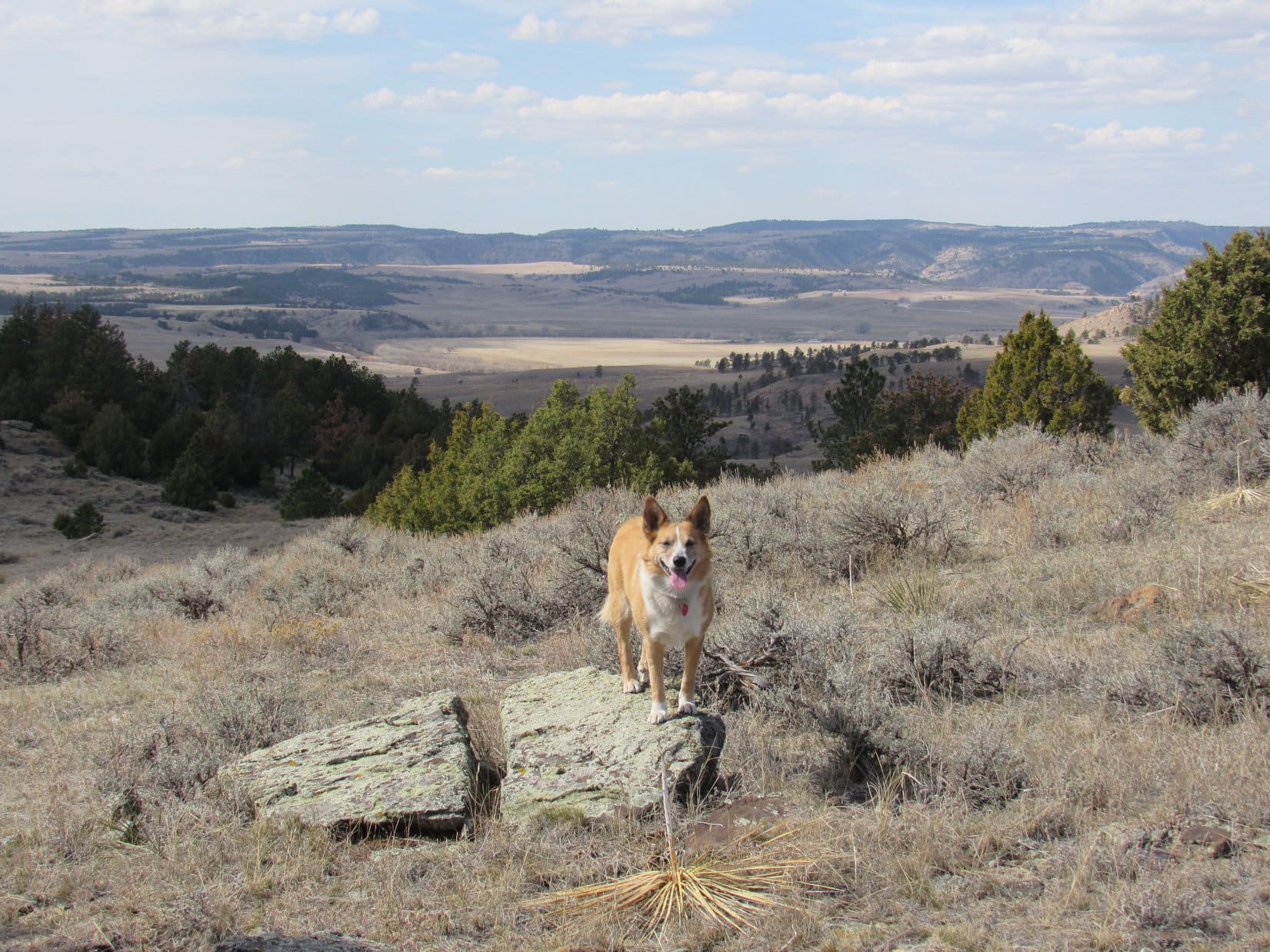
The forested hillsides didn’t have much cactus, but wound around a long series of ravines in crazy directions.  The uneven ground was tiring to traverse.  Higher up, the terrain was much more level, but many areas were so dry on top that even the junipers couldn’t survive.  The sunny, exposed terrain was full of cactus.

Lupe in the mixed forest of pines and junipers. There was a lot less cactus in the forest than up on the sunny top of these low hills, but Lupe came to many ravines. Photo looks S.

Lupe and SPHP used her usual technique for dealing with cactus.  SPHP scouted ahead looking for a safe route forward.  When SPHP sat on the ground, Lupe took it as the signal she could advance that far.  Rinse and repeat.  Where there was too much cactus, SPHP carried Lupe far enough to get to a less infested area.

Progress was slow, but steady.  At first, Lupe and SPHP stayed mostly on the high ground along the edge of the trees.  Later, Lupe tried staying more in the forest.  Traveling each type of terrain had its benefits and drawbacks.  It was an extraordinarily warm day for March.  The Carolina Dog was thrilled to find a small rapidly shrinking patch of melting snow in the forest on the N side of a hill!

Lupe was thrilled to find this small rapidly melting snow bank on the N slope of a hill. It was a very hot day out for March. The cold, wet snow felt marvelous!

As wearisome as the forested hills were, SPHP was not looking forward to reaching the end of them.  From Maitland Road, Lupe had already seen the S slopes of Tepee Mountain.  She would have to make a long, gradual climb up a barren, sun drenched slope.  SPHP feared Lupe would face an incredible concentration of cacti the entire way.

Lupe might have to be carried more than a mile to the top.

Tepee Mountain as seen from Maitland Road. The summit is the high point on the R. SPHP feared Lupe would encounter so much cactus on the barren S slope that she would have to be carried all the way to the top. Her route would take her up from the R side of this photo. Photo looks N using the telephoto lens.

The forest ended when Looper reached the N end of the low hills.  Now she faced open grasslands the rest of the way up Tepee Mountain.  Just ahead was a dirt road at the bottom of a shallow ravine that drained to the W.  Beyond the road was a barbed wire fence.  Lupe would have to cross both the road and the fence.  First, though, she followed the road uphill to the E.

Traveling this short section of dirt road up the ravine was easy.  Lupe was confident she wouldn’t encounter any cactus.  Near a junction of fences, she left the road and went under the fence to the N.  SPHP thought Lupe might be on BLM land now, but wasn’t certain.

Despite the heads up from the rancher’s wife, Lupe hadn’t seen a single cow or rattlesnake.  However, cows had clearly spent a lot of time in the pasture N of the fence.  This was great news for Lupe!  The cows had eaten everything down so there wasn’t much vegetation left.  Best of all, cows are apparently hard on cactus.  SPHP had feared this area would be totally infested; instead there was hardly any!

Lupe now N of the low forested hills seen behind her. This field had far less cactus in it than SPHP had feared. Lupe made relatively good time the rest of the way up Tepee Mountain. Photo looks SSE.

Lupe wasn’t convinced this barren ground was safe.  She insisted that SPHP continue to scout out the cactus situation ahead.  Overall, though, she made significantly faster progress.  She traveled up the long, gentle slope going NW, staying close to another barbed wire fence coming down the mountain.

As Lupe climbed higher, more cactus appeared – enough to slow things down again, but it wasn’t too bad.  The fence line turned N.  Lupe kept going NW until she came across a cattle trail that went N, too.

The cattle trail was like a super highway.  Lupe trotted along unworried and unhindered by cactus.  By the time the cattle trail curved E, Lupe was only 150 yards from the top of the mountain.  She found cactus again as soon as she left the trail, but SPHP guided her through it.  Lupe reached the summit of Tepee Mountain (3,790 ft.).  Sweet success!

The large summit area was mostly grassland.  Barren terrain sloped gradually away to the S and E.  Junipers and pines were scattered thinly along the edge of the steeper W slope.  The steepest drop off was to the N, where a thick line of trees blocked the view most places.  The highest rocks on the mountain were clustered in a small area near the NW corner of the summit.  Four or five different medium-sized rocks might have been the absolute highest point.

The most impressive view was toward the NW.  Lupe could see Flagpole Mountain (4,320 ft.).  She had been there only a week ago on Expedition No. 195.

Lupe reaches the summit of Tepee Mountain. The most impressive view was this look at Flagpole Mountain. Lupe had been there only a week ago on Expedition No. 195. Photo looks NW.
Looking N at some of the colorful cliffs E of Flagpole Mountain.
Lupe stands on the rock that SPHP thought might be the highest one, though 4 or 5 rocks nearby were about as high. Photo looks N.
Looking ESE. The high plains of western South Dakota go to the horizon.

Lupe was happy to reach the summit of Tepee Mountain.  After a few photos, she curled up in the shade of a juniper tree.  She had a great view of Flagpole Mountain while enjoying some Taste of the Wild.  It was an amazingly warm day.  Only mid-March and the temperature was somewhere in the 70’s!

Lupe rested in the shade of a juniper tree while having Taste of the Wild and enjoying this beautiful view of Flagpole Mountain (L). Photo looks NNW.

SPHP munched an apple and shared water with Lupe.  When the apple was gone, SPHP got up to wander around the summit area to see what else there was to see.  Lupe preferred not to move around much.  She was still worried about cactus.  Besides, she liked the shade of the juniper tree.  She was curious about what SPHP was up to, though.

Sometimes she peered out from her juniper tree stronghold to see what was going on.

Whatcha up to, SPHP? … Don’t worry Loop, just having a look around. … OK, but don’t wander off too far and leave me stuck here all alone up on this pincushion! Photo looks WNW.
SPHP had to wander a little E of the true summit to find a break in the trees big enough to provide this view of the Cheyenne River. Part of Angostura Reservoir is seen in the distance on the R. Photo looks NE.

Lupe soon decided she didn’t want to miss out on any of the views.  She came out from her juniper trees to join SPHP and pose in a few more photos.

Angostura Reservoir from Tepee Mountain. Photo looks NE.
Looking NW toward the true summit.
Still looking toward the true summit as a cloud passes overhead providing temporary shade. The big green junipers on the L are at the top of the mountain. Photo looks NW.
Looking W.
The view to the WNW.

At the conclusion of her scenic summit tour, Lupe wanted to go relax in the shade of the juniper tree some more.  SPHP went with her.  There was no rush.  The sun was high in the sky, and Lupe might never be on Tepee Mountain again.  Time enough to enjoy this unique moment, and seldom seen view of Flagpole Mountain.

SPHP petted Lupe; in turn, she licked SPHP’s hand.  Puffy white clouds sailed slowly through the pale blue sky overhead.  Lupe and SPHP were both happy.

Happy times on Tepee Mountain in the shade of the juniper tree.

As it always does, the time came to say good-bye to the mountain.  Lupe and SPHP started back to the G6.  Lupe followed the same route as before, except that when she reached the low, forested hills again, she stayed farther to the W and lower down.  Hidden on the N slopes of various ravines, she found half a dozen more patches of snow to eat and cool off on.

There were still cacti to deal with.  Lupe remained cautious.  SPHP helped guide her through, and carried her for short distances where necessary.  She finally reached Maitland Road again W of the G6, but it wasn’t far away (3:31 PM, 81°F).

Looking back at Tepee Mountain (Center) on the way to the G6. Photo looks NNW.

Over 80°F, in March!  Incredible!  On the way home, Lupe stopped again at Cascade Falls.  The thirsty Carolina Dog had a huge drink from the creek.  SPHP thought the water would be cold, but it was surprisingly, comfortably warm.  This time, SPHP joined Lupe wading around in Cascade Creek.

Lupe returned to Cascade Falls for a 2nd time on this incredibly warm March day. SPHP joined her wading in the surprisingly warm creek. Photo looks S.
For cactus weary paws, Lupe recommends wading in Cascade Creek! Photo looks N.

Expedition No. 196 was a success, but wasn’t entirely over until Lupe was done with her enthusiastic barking from the G6 at all the cows and horses she saw on the way home.  SPHP thought she deserved a special treat for braving the cactus on two more mountains today.  The Sonic Drive-Inn was advertising half price milkshakes after 8 PM.

Lupe had a good time being taken out to the Sonic Drive-Inn.  She was delighted when SPHP bought her a milkshake of her very own.  Lupe had chocolate.  SPHP had strawberry.  When the milkshakes were gone, it was time for nighty-night and dreaming together about the day’s adventures, and adventures yet to come.

Links:

Next Black Hills Expedition                   Prior Black Hills Expedition

Want more Lupe adventures?  Check out her Black Hills, SD & WY Expeditions Adventure Index, Master Adventure Index, or subscribe free to new Lupe adventures!